





As if Nigeria electricity sector is not facing enough troubles already, a Federal High Court in Lagos on 13 July annulled the recent increase in tariffs, which players in the sector had managed to get from the regulatory authorities after a prolonged wait and negotiations. Justice Mohammed Idris said that the decision to increase the tariff has been hasty and did not comply with the provisions of the Electricity Power Sector Reform Act 2004.
The Nigeria Electricity Regulation Commission (NERC) had introduced a new electricity tariff under the Multi-Year Tariff Order (MYTO) 2015, effective from February 1, 2016, after years of players in the sector asking for cost reflective tariff to ensure its survival. The new tariff regime abolished fixed charges and increased the tariff by a maximum of 45 per cent.
[wpum_restrict_logged_in]
Sadly, the new tariff structure has not been followed with an increase in power supply. The lawyer, Toluwani Adebiyi, who challenged the tariff hike had pressed the court to stop any hike in electricity tariff until there is a meaningful and significant improvement in power supply to at least 18 hours in a day in most Nigerian communities. Many Nigerian homes will count themselves lucky currently if they had power supply for a maximum of an hour a day. Many homes and businesses go for days, weeks and sometimes months without electricity supply. The media reported recently that the electricity grid suffered 21 collapses in the first six months of 2016. Of the 21 collapses, 16 were total collapses, resulting in zero electricity supply across the country, while five were partial collapses for the period.
A big challenge that power supply has faced recently is the vandalisation of oil and gas pipelines in the Niger Delta. Nigeria generates about 70% of its electricity supply from gas with the balance from hydro power. So, militant activities have had a significant negative impact on power supply. This is why the Minister of Power, Housing and Works, Babatunde Fashola recently said that Nigerians will only get stable power supply when the vandalisations of pipelines stops.
However, the truth is that Nigeria’s power supply challenges go beyond the vandalisation of pipelines. The tariff structure which the courts have just annulled is key. Without a tariff structure that allows operators in the sector to recover their cost of electricity, like any business, the Distribution Companies (Discos) will collapse and along with them, all other players in the sector. Many Discos are already over borrowed and will not get additional kobo from banks unless the bank is sure that their businesses are viable. And even with the just abolished tariff structure, the Discos were still not looking viable.
Even with the court cancelled tariff structure, the recent devaluation of the naira has already changed the cost structure of players in the sector, which meant that they would have been asking for another increment in tariffs. For example, two of the key indices used in arriving at the just cancelled tariff regime have changed significantly. The court cancelled tariff was based on an inflation rate of 8.76% but inflation rate is currently at about 16%, almost twice the tariff inflation rate.
Also the exchange rate used in the tariff was N198.97 but the current exchange rate is at N290 with a potential to go above N300. Before the court judgement, the Discos were already silently pushing for an increment considering the new cost realities in the industry. The court judgement therefore brings in a new set of challenges for the players in the sector. Basically, the court judgement will have to be successfully appealed to before the players in the sector can even talk about implementing a new tariff regime.
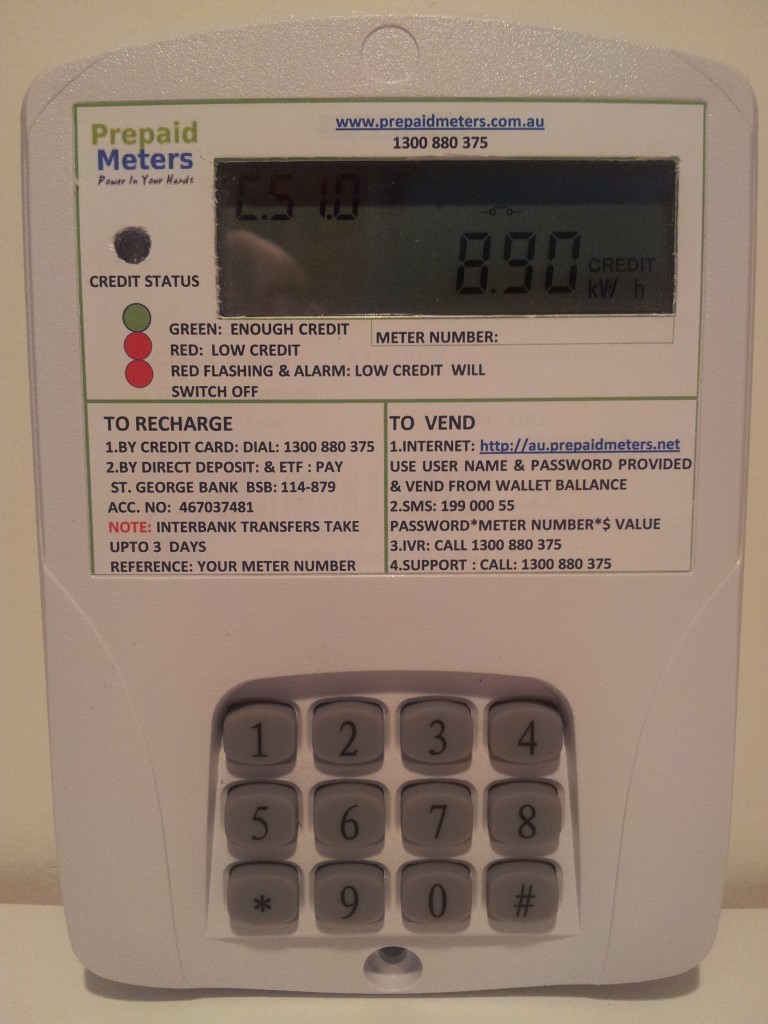
Considering how slow court processes are in Nigeria, this case may drag on for the next one or two years or even longer which will have significant negative implications for the power sector. While the case drags through the court system, new investments from the private sector will come to standstill in the power sector. There will be no new transformers, poles and the much desired pre-paid metres as Discos will not be able to raise the money to make these investments because of the uncertainty caused by this judgement. Generation companies are also going to put a stop to new investments to improve capacity if the Discos are not in a position to absorb the additional capacity.
The court judgement has just made a very bad situation even worse.
content here [/wpum_restrict_logged_in]